


Global perspectives on the future of brain health
This high-level roundtable, jointly hosted by The BMJ journal and the Chinese Stroke Association, brought together leading experts in neurology, public health, health systems, and digital innovation to examine the future of brain health in an ageing world.
Chaired by The BMJ editor in chief, Dr Kamran Abbasi, the event explored how scientific research, policy, and technology can be better aligned to support sustainable, equitable brain health strategies worldwide.
Participants discussed approaches to prevention, care delivery, innovation, and capacity-building across diverse health systems, with a shared focus on reducing the global burden of neurological disease.
In focus
Why this matters
Neurological conditions, such as stroke, dementia, and neurodegenerative diseases, are a growing global concern. As life expectancy increases, health systems must adapt to meet the rising demand for brain care across the life course.
This roundtable builds on insights from The BMJ’s 2020 Brain Health collection and reflects a renewed commitment to global collaboration and long-term investment in sustainable brain health solutions.
Who should watch
Speakers include
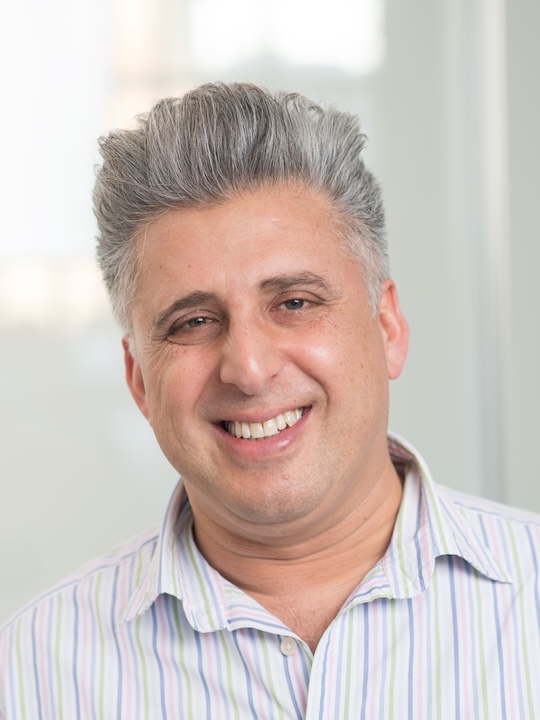
Dr Kamran Abbasi
Editor in Chief, The BMJ
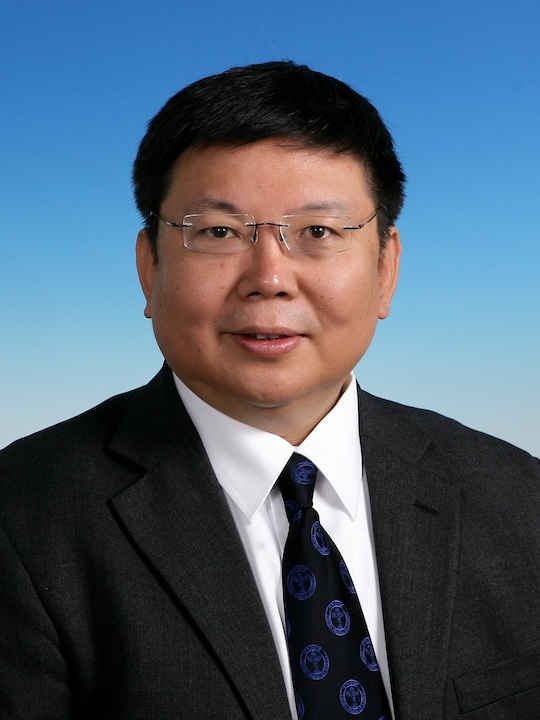
Prof Yongjun Wang
President of Beijing Tiantan Hospital, Capital Medical University
President of the Chinese Stroke Association
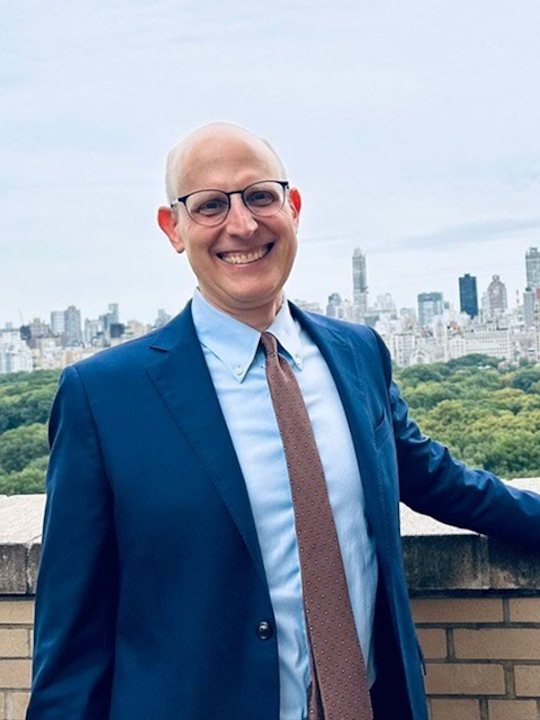
Dr Jonathan Rosand
Vascular and Critical Care Neurologist at Massachusetts General Hospital
Professor of Neurology at Harvard Medical School
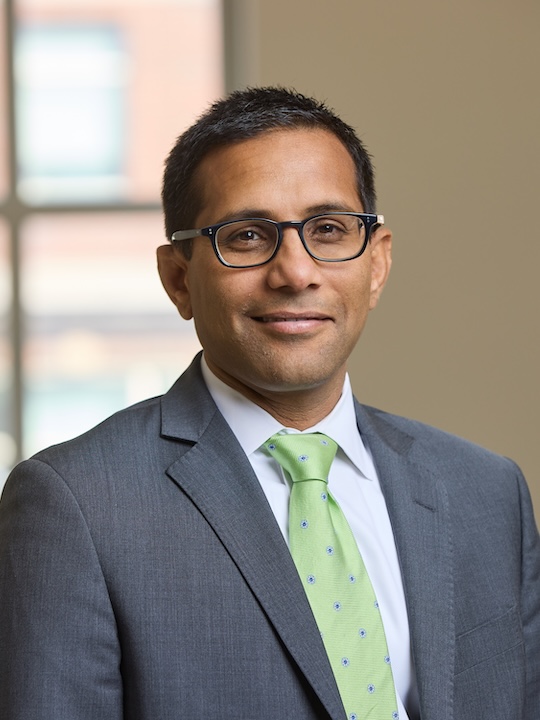
Dr Kevin Sheth
Founding Director of the Yale Center for Brain & Mind Health
Vice Chair for Clinical and Translational Research for the Departments of Neurology and Neurosurgery
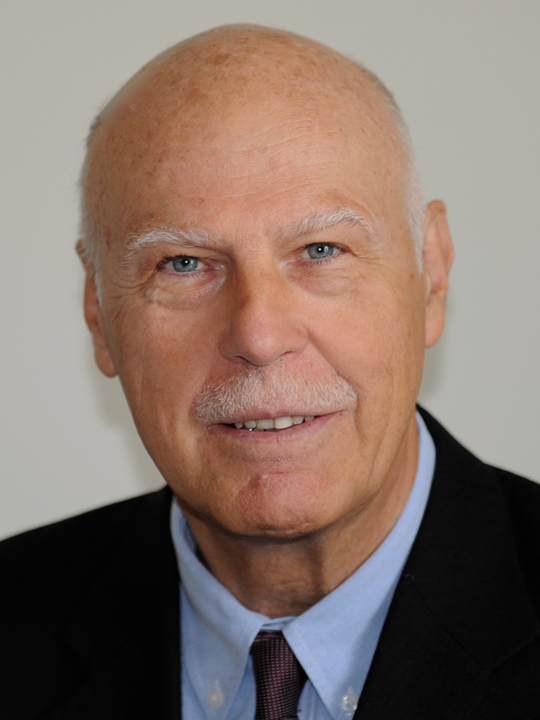
Prof Wolfgang Grisold
President of the World Federation of Neurology
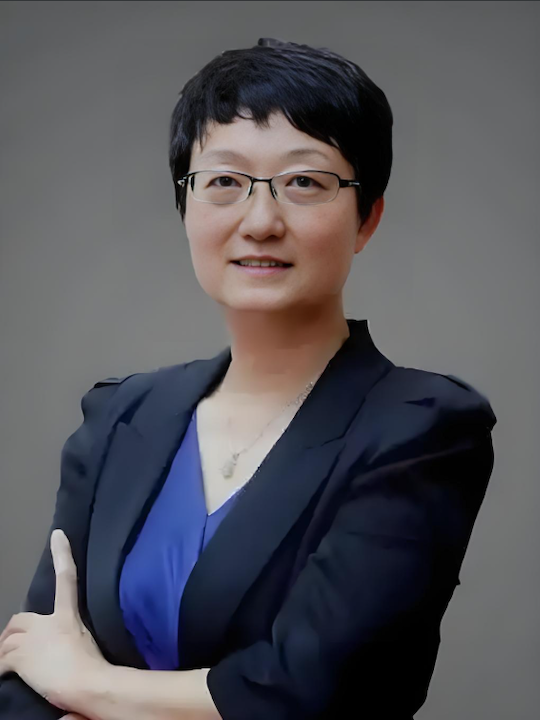
Prof Liping Liu
Director of Neurology and the Neurocritical Care Unit in Beijing Tiantan Hospital
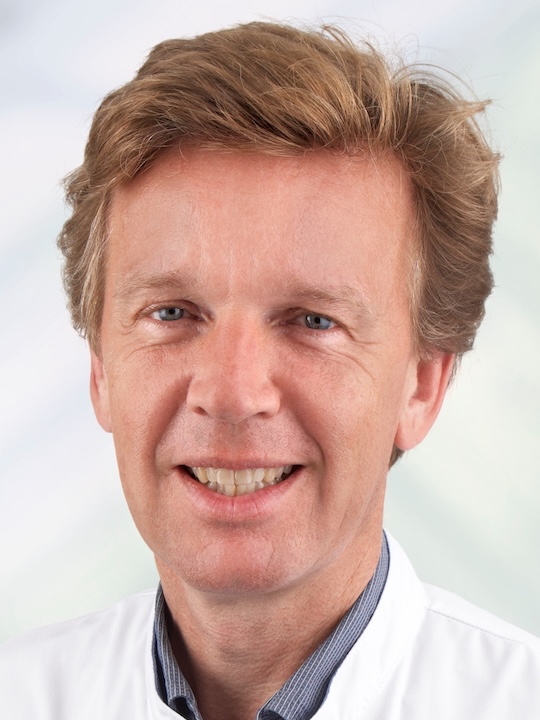
Prof Frederik Barkhof
Chair of Neuroradiology at Department of Brain Repair & Rehabilitation, University College London
Senior Fellow of the International Society for Magnetic Resonance in Medicine
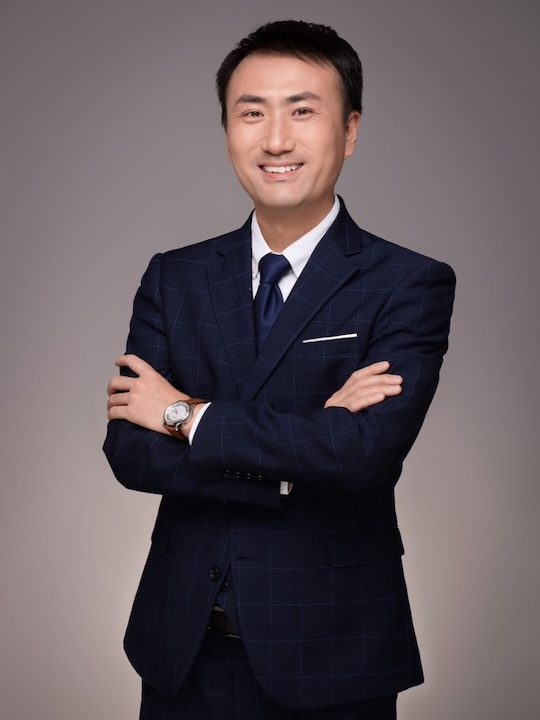
Prof Yaou Liu
Academic Leader of Radiology & Director of the Department of Radiology, Beijing Tiantan Hospital
Deputy Director at the Department of Medical Imaging, Capital Medical University
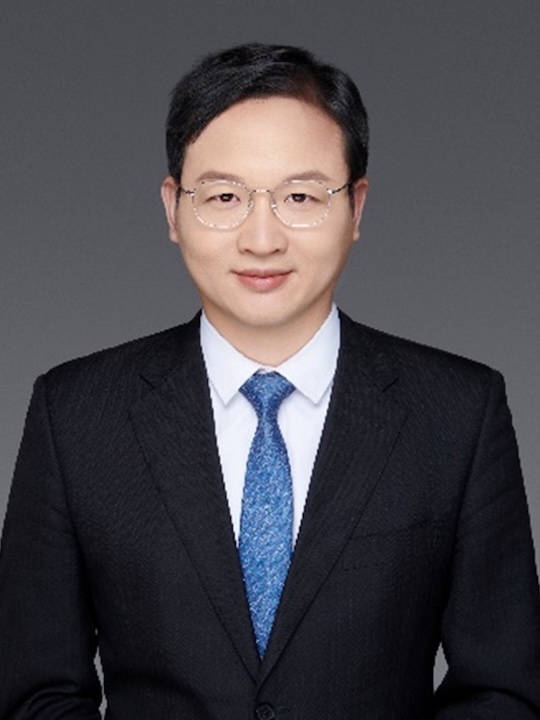
Professor Deling Li
Associate Director of Department of Neurosurgery, Beijing Tiantan Hospital, Capital Medical University
Vice Secretary of the National Brain Tumor Registry of China
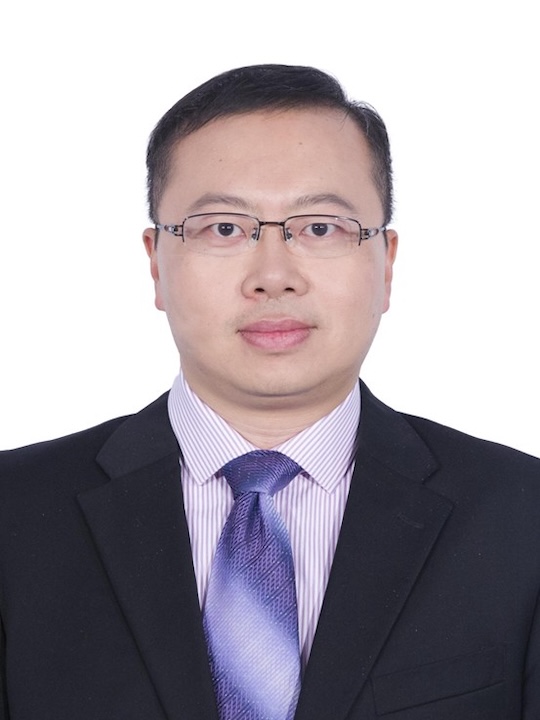
Prof Yong Jiang
Director of the Office of the China Neuro-Disease Prevention Collaboration Centre
Director of the Data Centre of the National Clinical Research Centre for Neurological Diseases, Beijing Tiantan Hospital
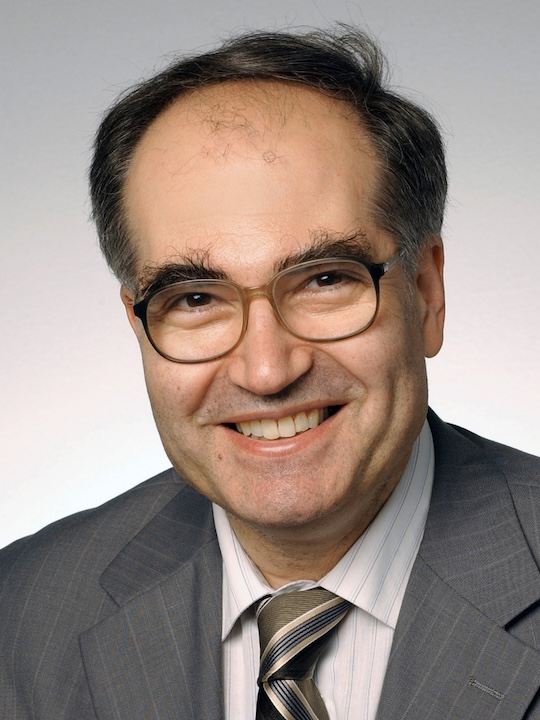
Prof Tamas Fulop
Professor of Medicine and Geriatrics at the Research Center on Aging, University of Sherbrooke, Québec, Canada
Senior Researcher at the Research Center on Aging, University of Sherbrooke, Québec, Canada
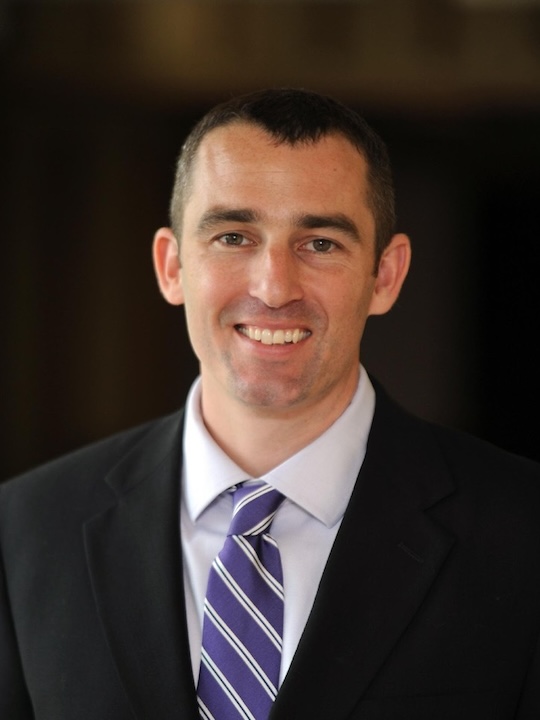
Dr Bradley Manor
Associate Scientist at the Hinda and Arthur Marcus Institute for Aging Research
Associate Director of the Mobility and Falls Translational Research Centre
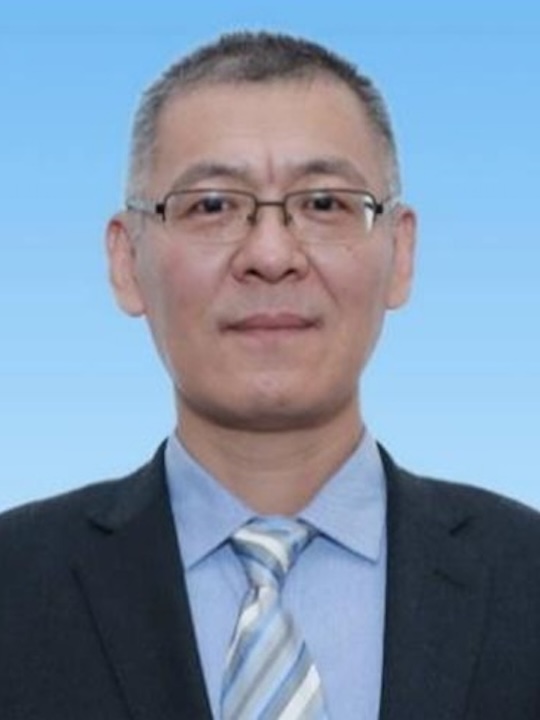
Prof Hao Li
Director of the Big Data & AI Centre since 2018
Deputy Director and Co-founder of the Centre of Excellence for Omics Research in Neurological Disease, National Clinical Research Centre for Neurological Disease, China
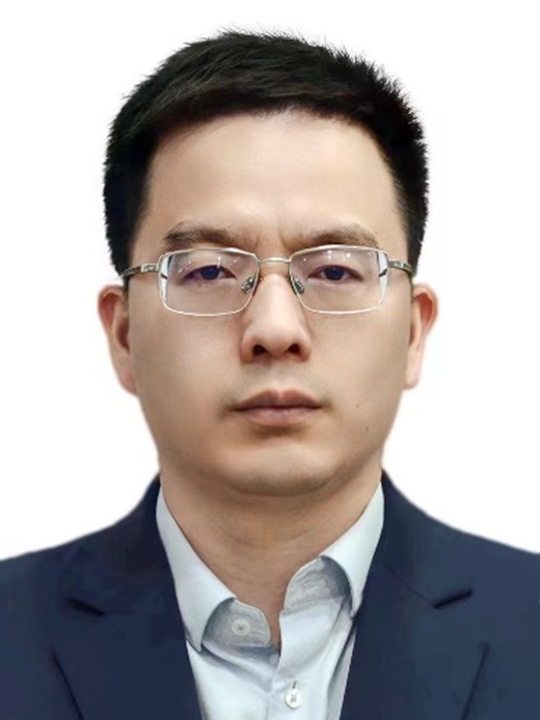
Prof Zixiao Li
Associate Director of Department of Neurosurgery, Beijing Tiantan Hospital
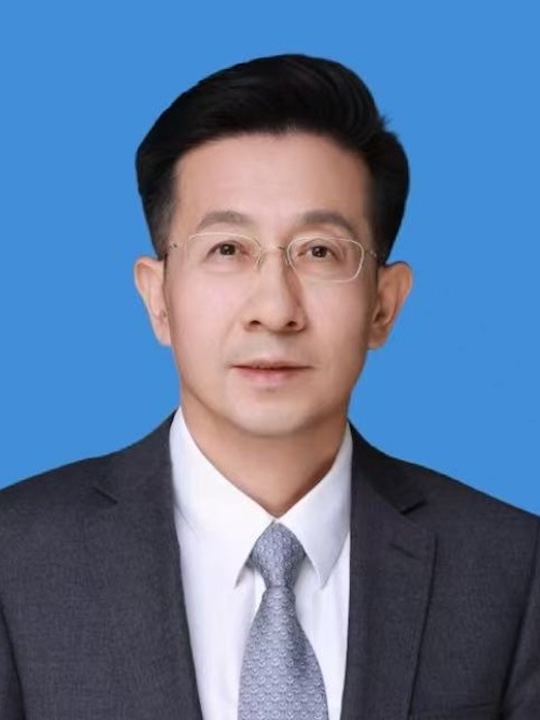
Prof Huaguang Zheng
Director of the Health Management Centre, Beijing Titantan Hospital
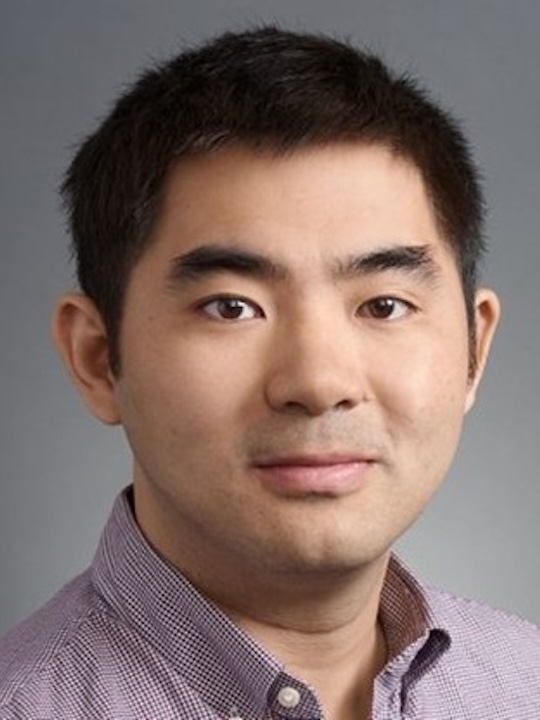
Junhong Zhou
Assistant Professor of Medicine, Harvard Medical School and Beth Israel Deaconess Medical Center
How our partnerships work
BMJ Group doesn’t just publish evidence. We create it, structure it, and connect the right voices to amplify its relevance. Our trusted brand, shaped by decades of publishing excellence, assures partners and participants of scientific integrity and editorial independence.
We help our partners unlock access to the right contributors, build credibility through association, and create tangible outcomes that strengthen health systems.
This ability to convene global expertise and translate dialogue into real-world action makes us a strategic partner for any organisation aiming to improve healthcare outcomes through trusted, expert-led collaboration.
