
Overview
This roundtable, co-hosted by BMJ Group, BMJ Evidence-Based Medicine and Beijing University of Chinese Medicine, brought together global thought leaders from across the medical, academic, and policymaking communities to explore the future of traditional, complementary, and integrated medicine within modern healthcare systems.
The roundtable featured three thematic sessions examining high-quality evidence frameworks, mechanisms for integration of traditional Chinese and Western medicine, and the translation of evidence into policy and practice. Across these sessions, speakers and panellists addressed how to navigate pluralistic health systems, ensure scientific rigour while respecting cultural traditions, and promote patient-centred, evidence-informed care.
This roundtable is sponsored by the Yangtze River Pharmaceutical Group.
In focus
Why this matters
Traditional, complementary, and integrated medicine is widely used across the world, yet often excluded from formal health policy and evidence standards. This roundtable brought together global leaders to explore how high-quality research, international collaboration, and inclusive evaluation frameworks can better reflect the realities of pluralistic health systems. The outcomes help chart a path toward safer, more effective, and culturally grounded care.
Who should watch
Speakers include
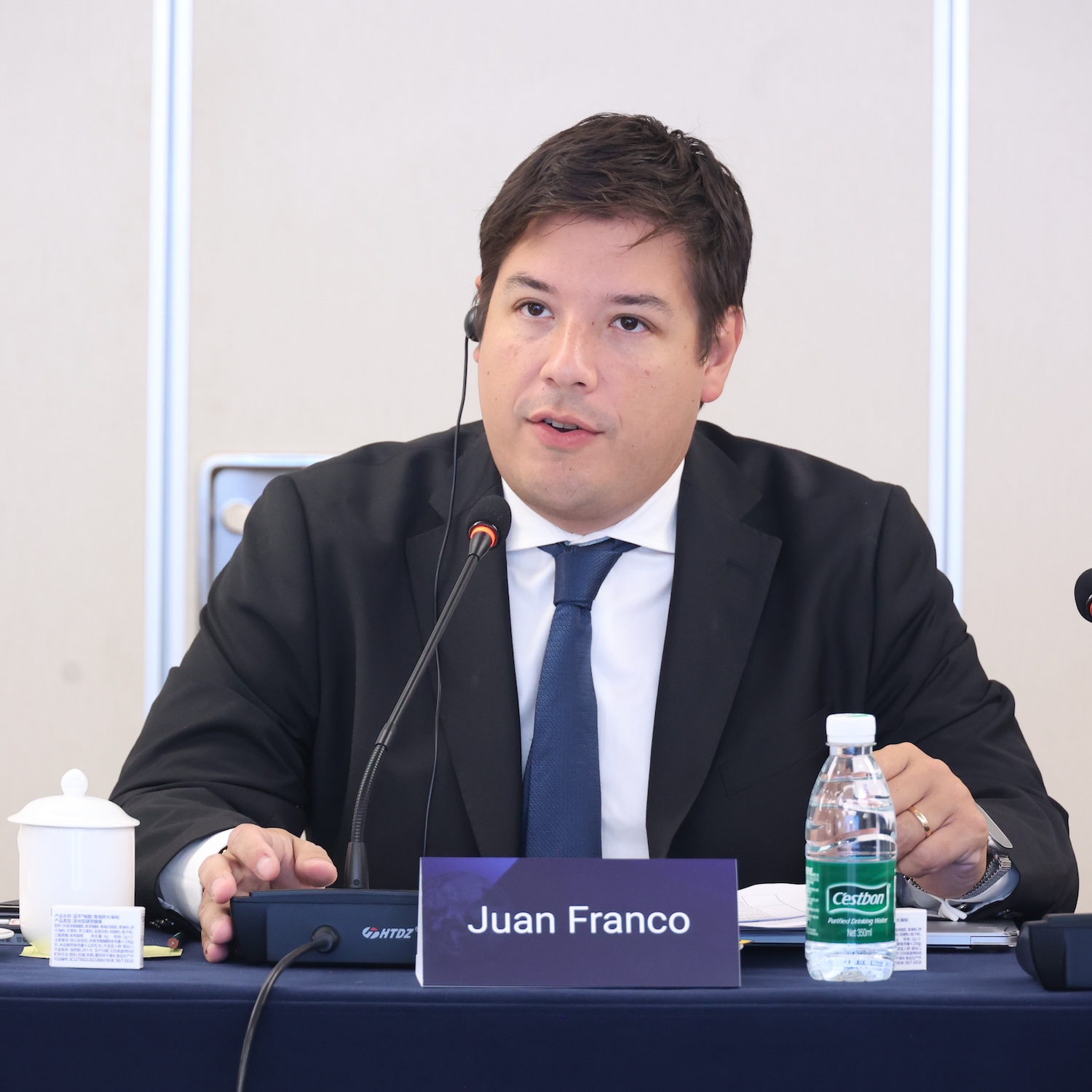
Juan Franco
Editor-in-Chief, BMJ Evidence-Based Medicine
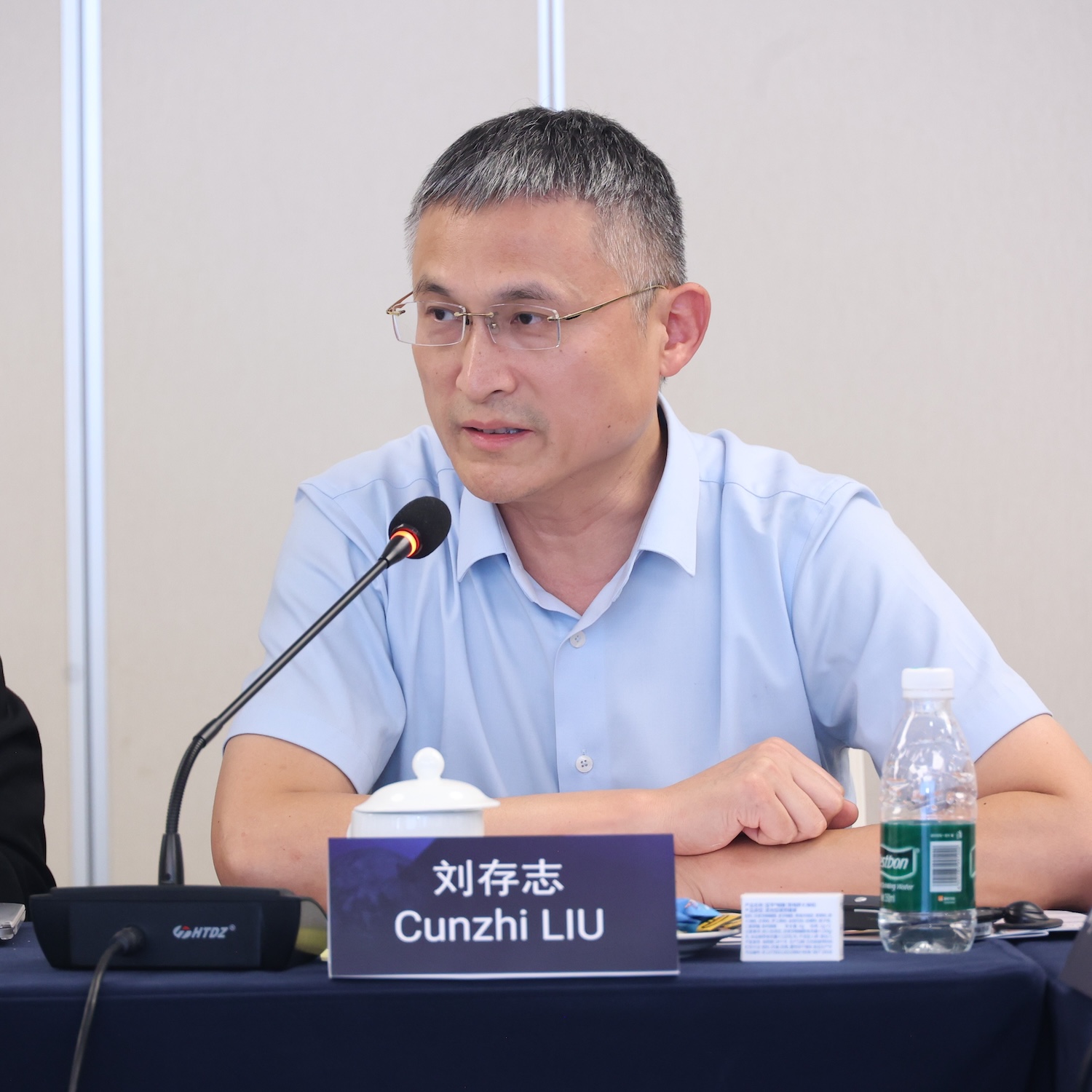
Cunzhi Liu
Vice President, Beijing University of Chinese Medicine
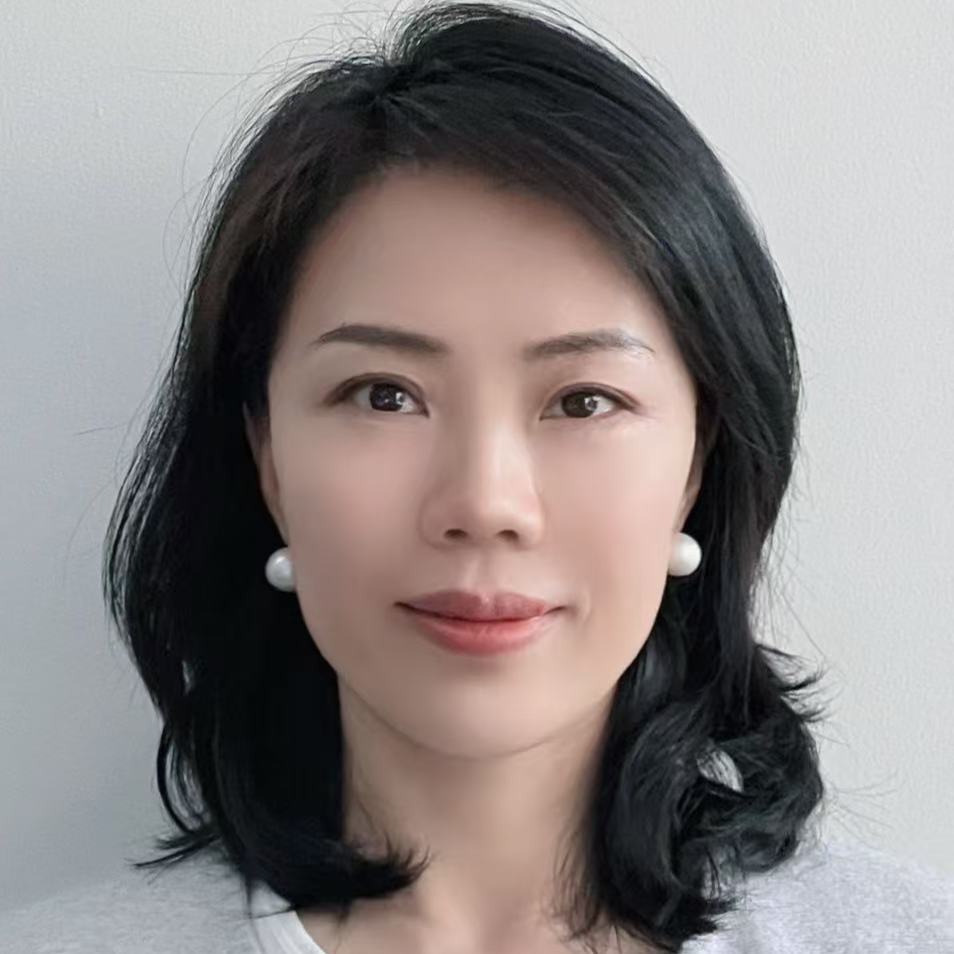
Yuyan Kong (online)
Managing Director, BMJ China
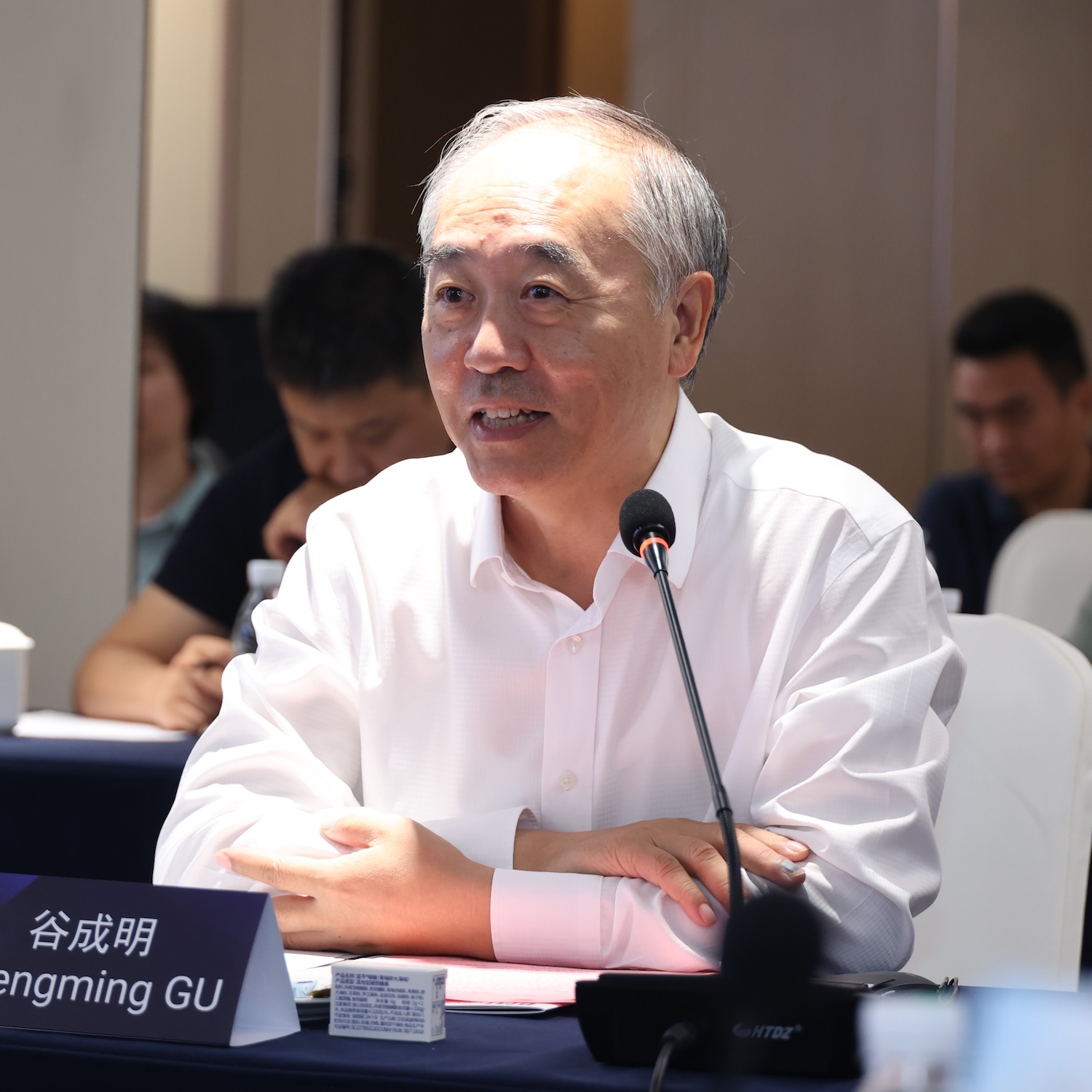
Chengming Gu
Head of the Market and Medical Affairs Department, Yangtze River Pharmaceutical Group
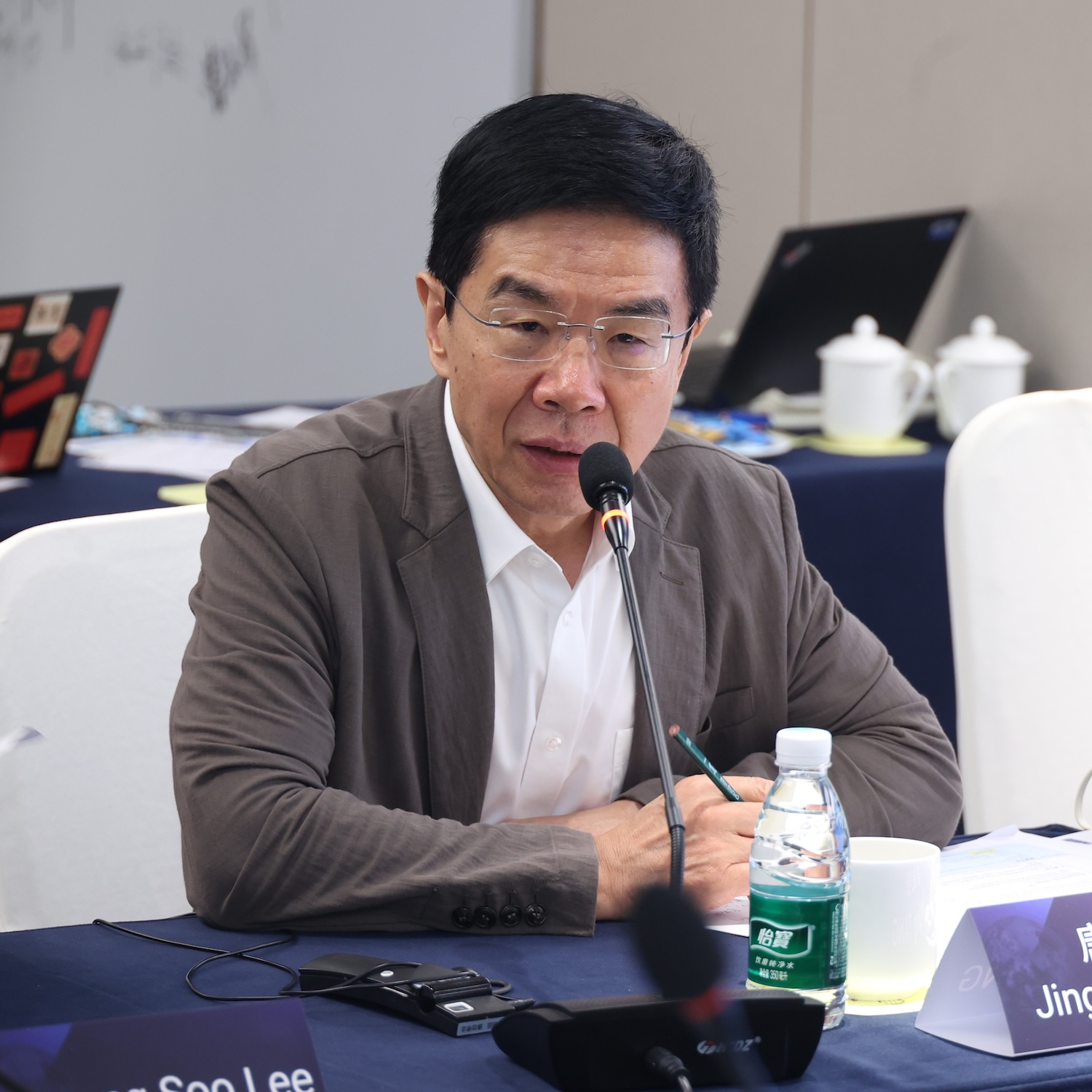
Jin-Ling Tang
Clinical Research Editor, The BMJ; Shenzhen University of Science and Technology, China
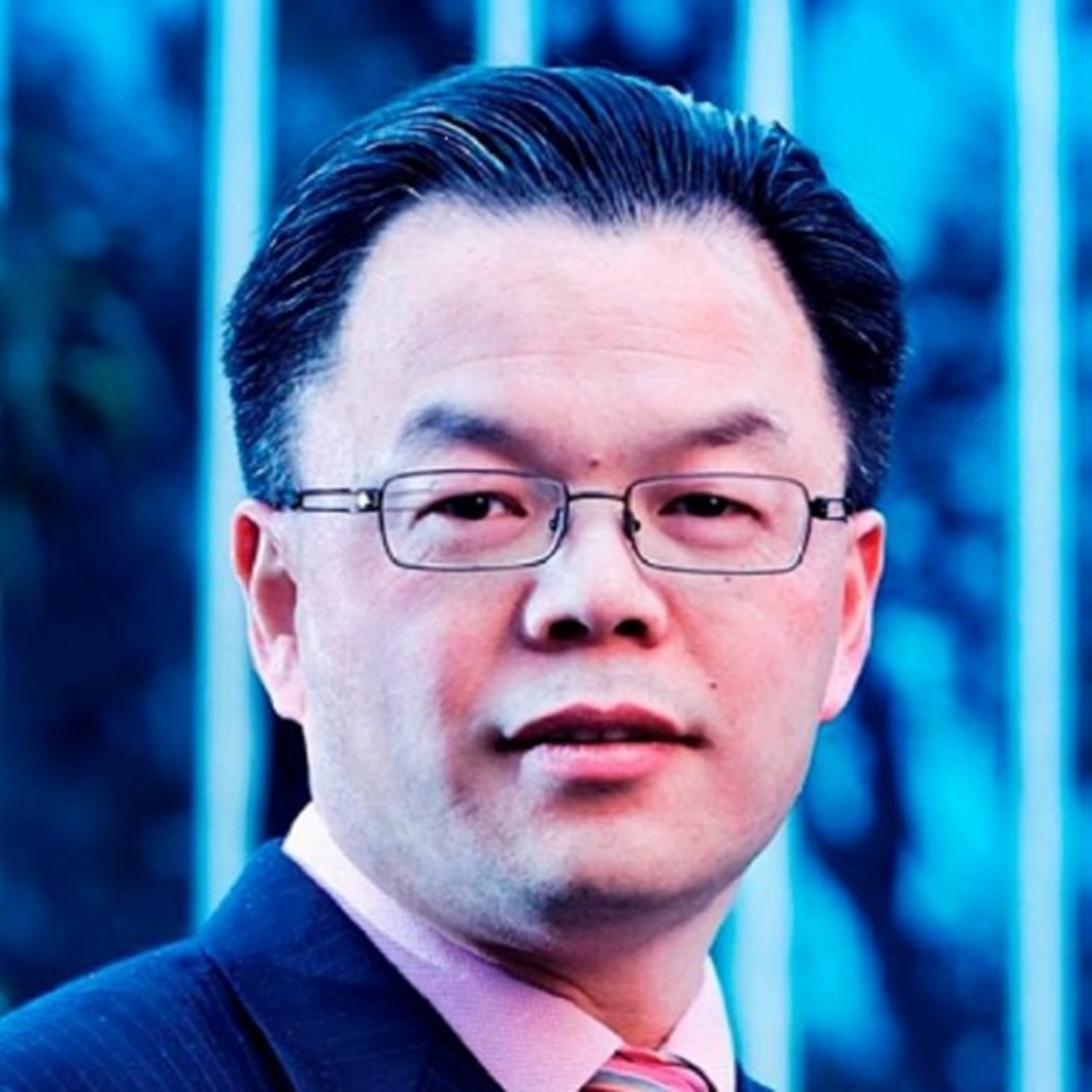
Charlie Xue (online)
Vice President, Royal Melbourne Institute of Technology, Australia
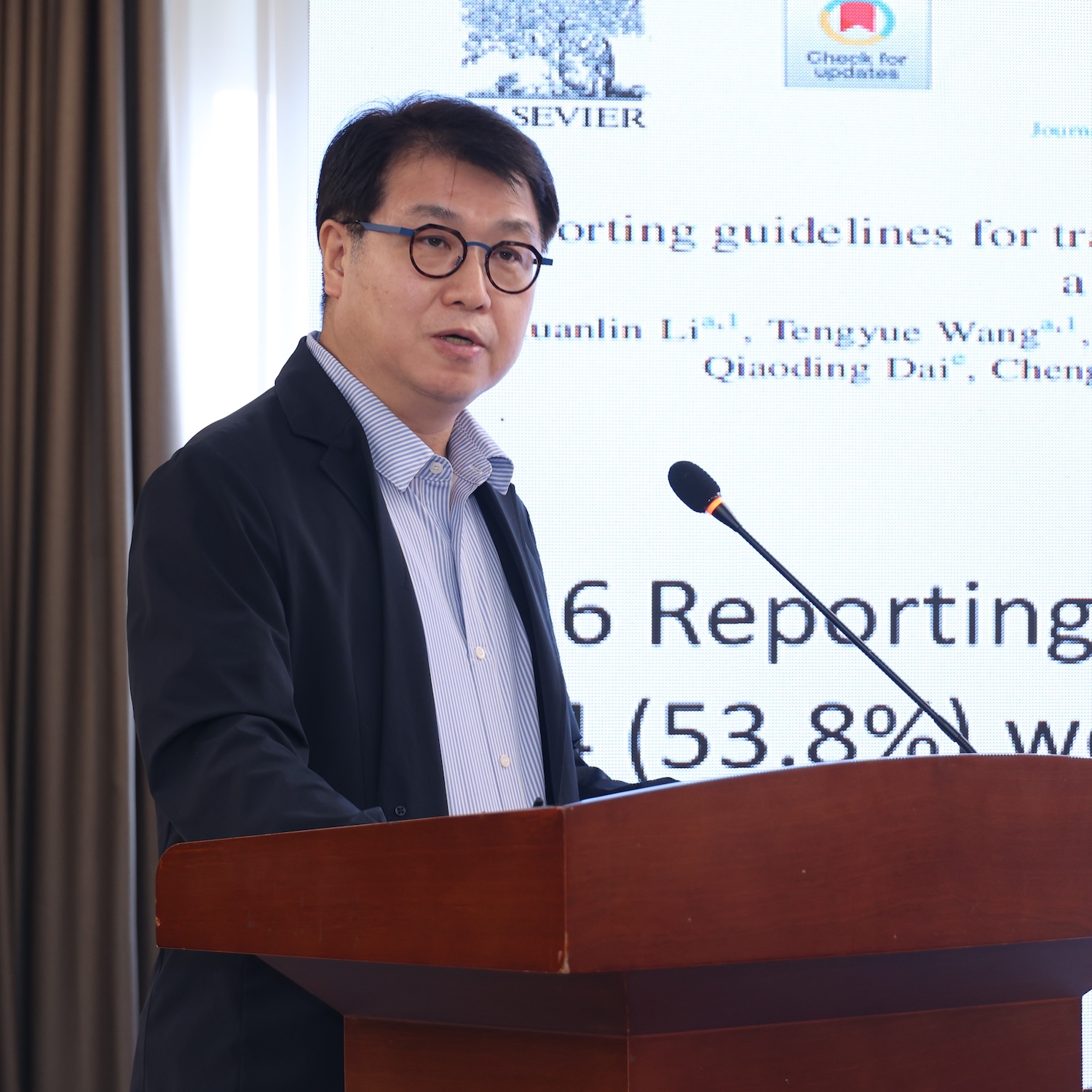
Myeong Soo Lee
Principal Researcher, Korea Institute of Oriental Medicine, Korea
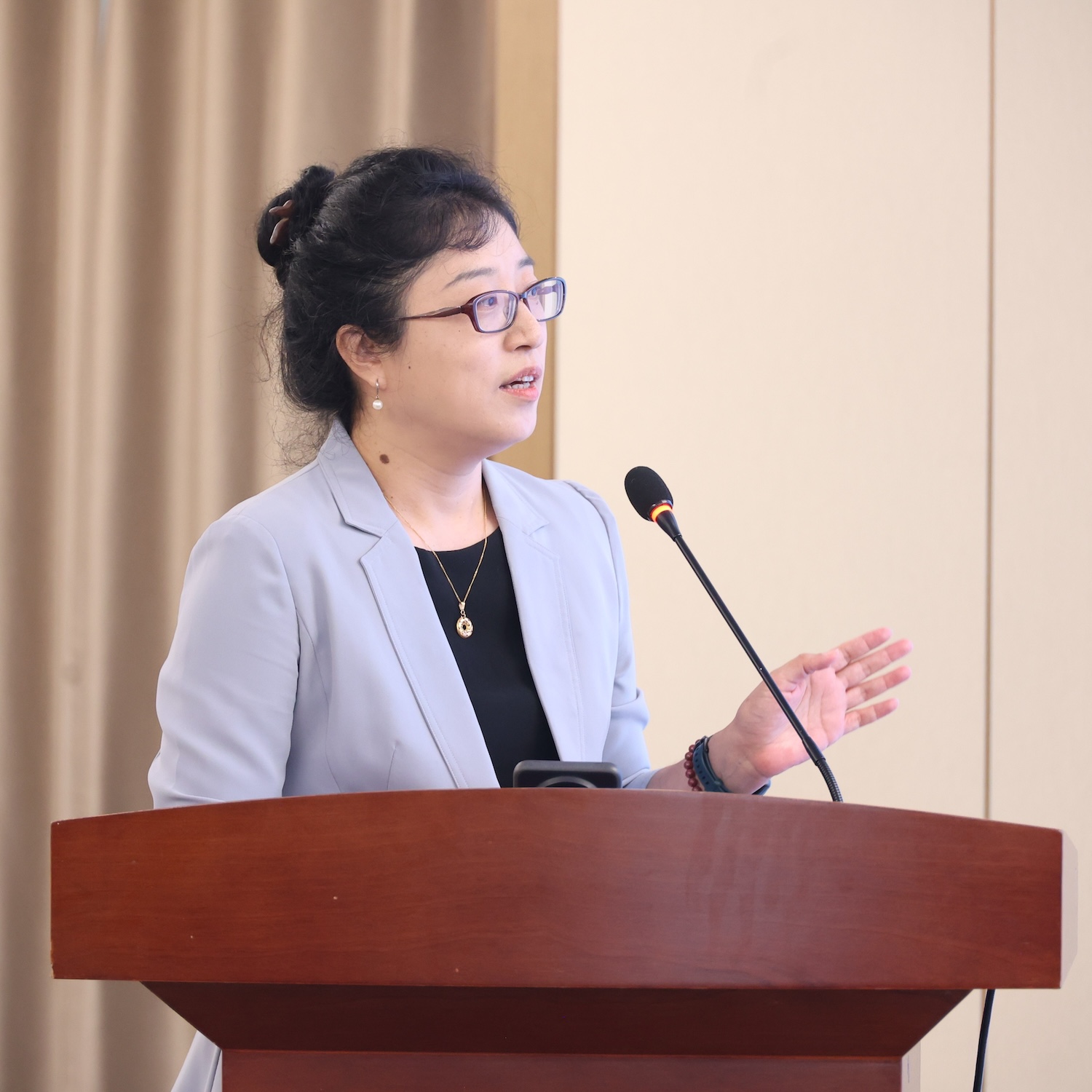
Yutong Fei
Deputy Director, Evidence-Based Medicine Center, Beijing University of Chinese Medicine, China
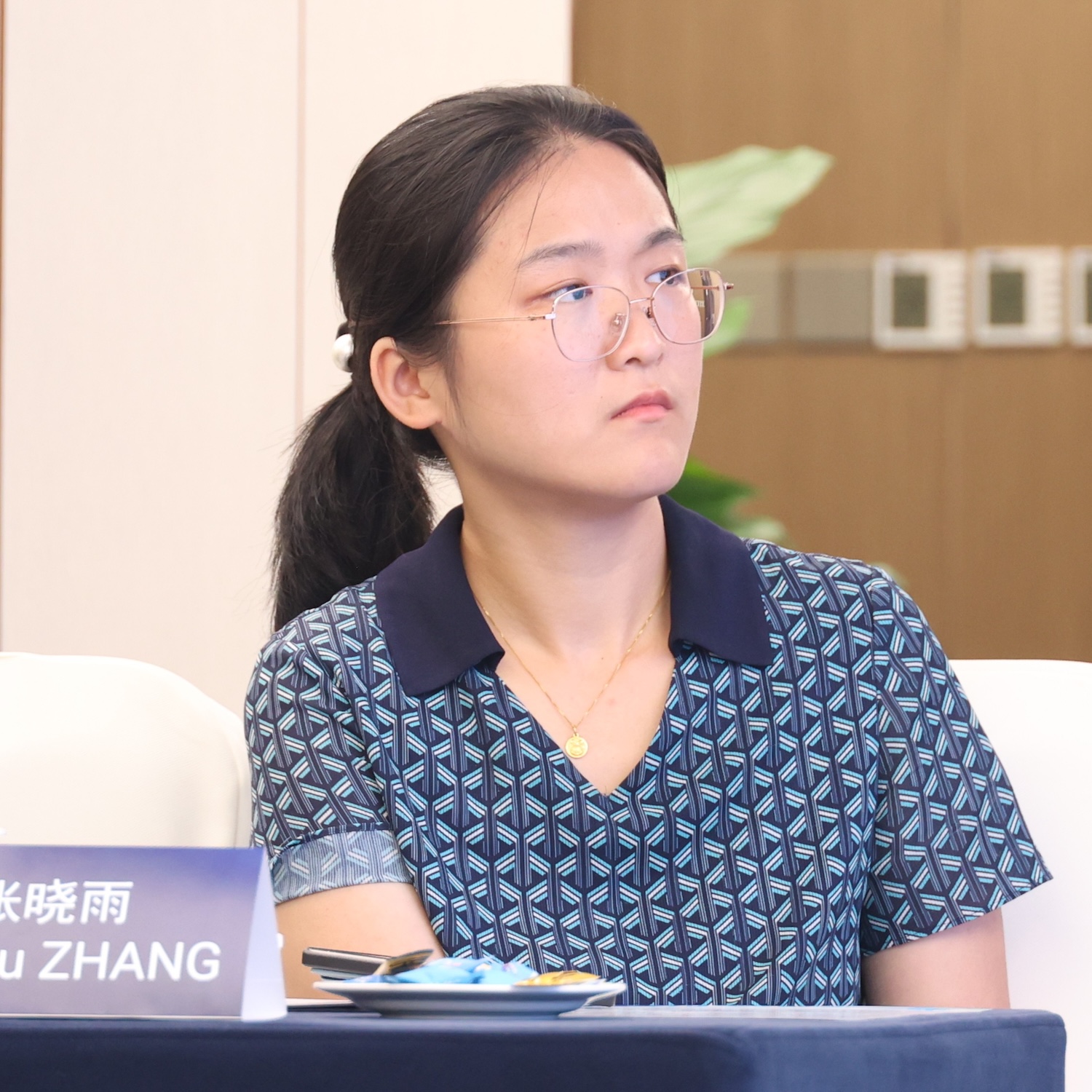
Xiaoyu Zhang
Doctor, Dongfang Hospital, Beijing University of Chinese Medicine, China
Xinfeng Guo (online)
Deputy director of the Clinical Research Center, Guangdong Provincial Hospital of Traditional Chinese Medicine
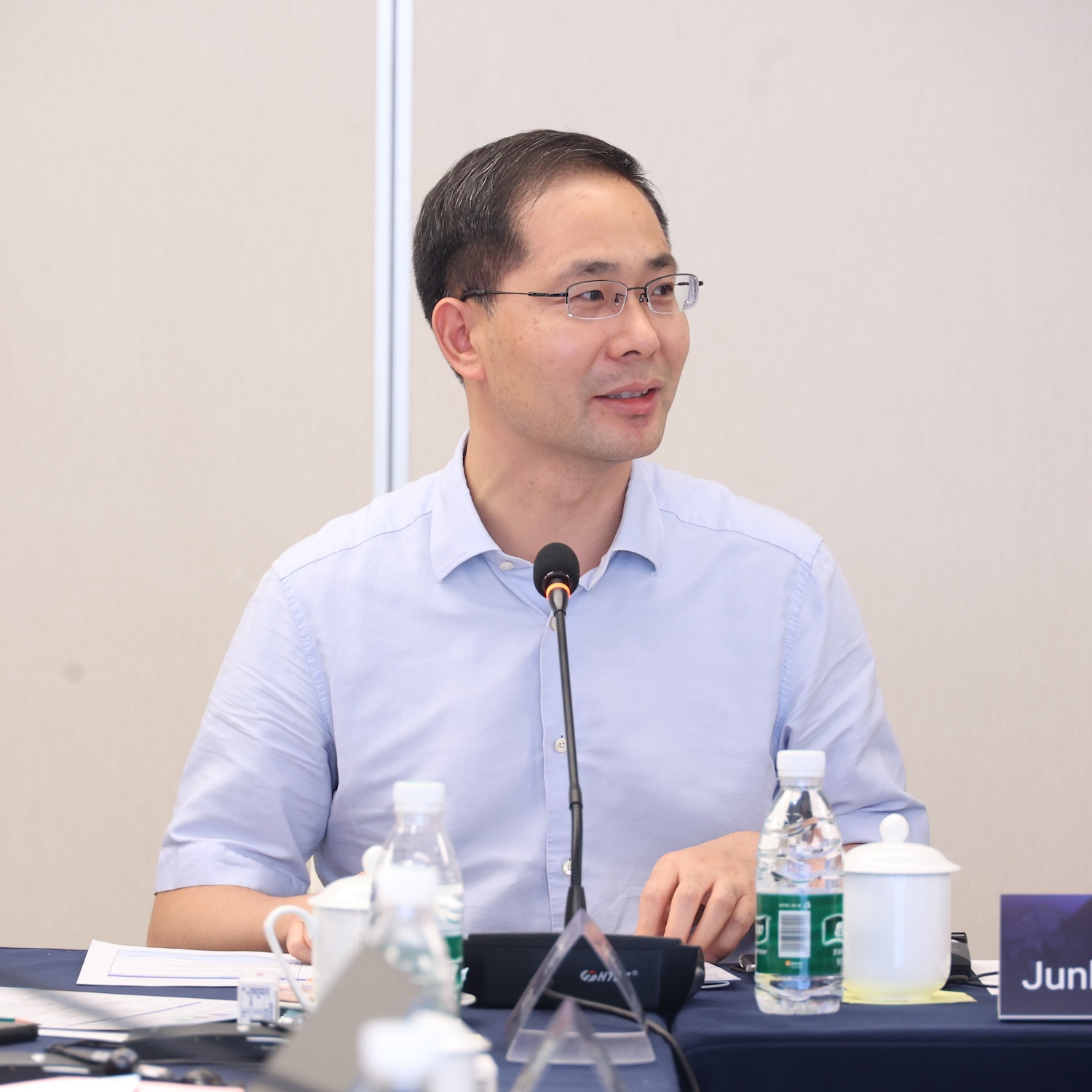
Junhua Zhang
Vice President, Tianjin University of Traditional Chinese Medicine

Merlin Wilcox (online)
Principal Research Fellow, University of Southampton, UK

Nicola Robinson (online)
Emeritus Professor of Traditional Chinese Medicine (TCM) and Integrated Health, London South Bank University, UK
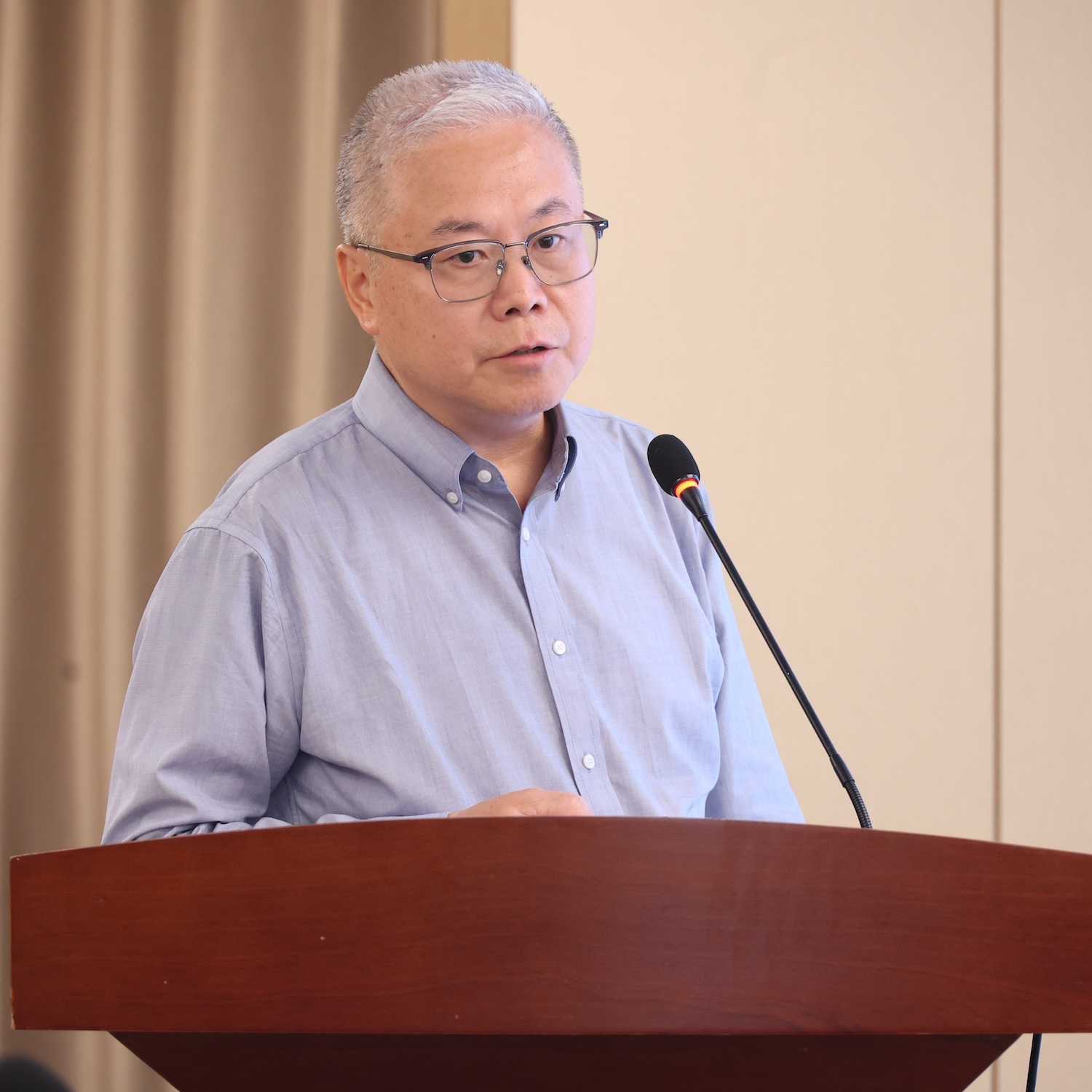
Jianping Liu
Director, Center for Evidence-Based Medicine, Beijing University of Chinese Medicine, China
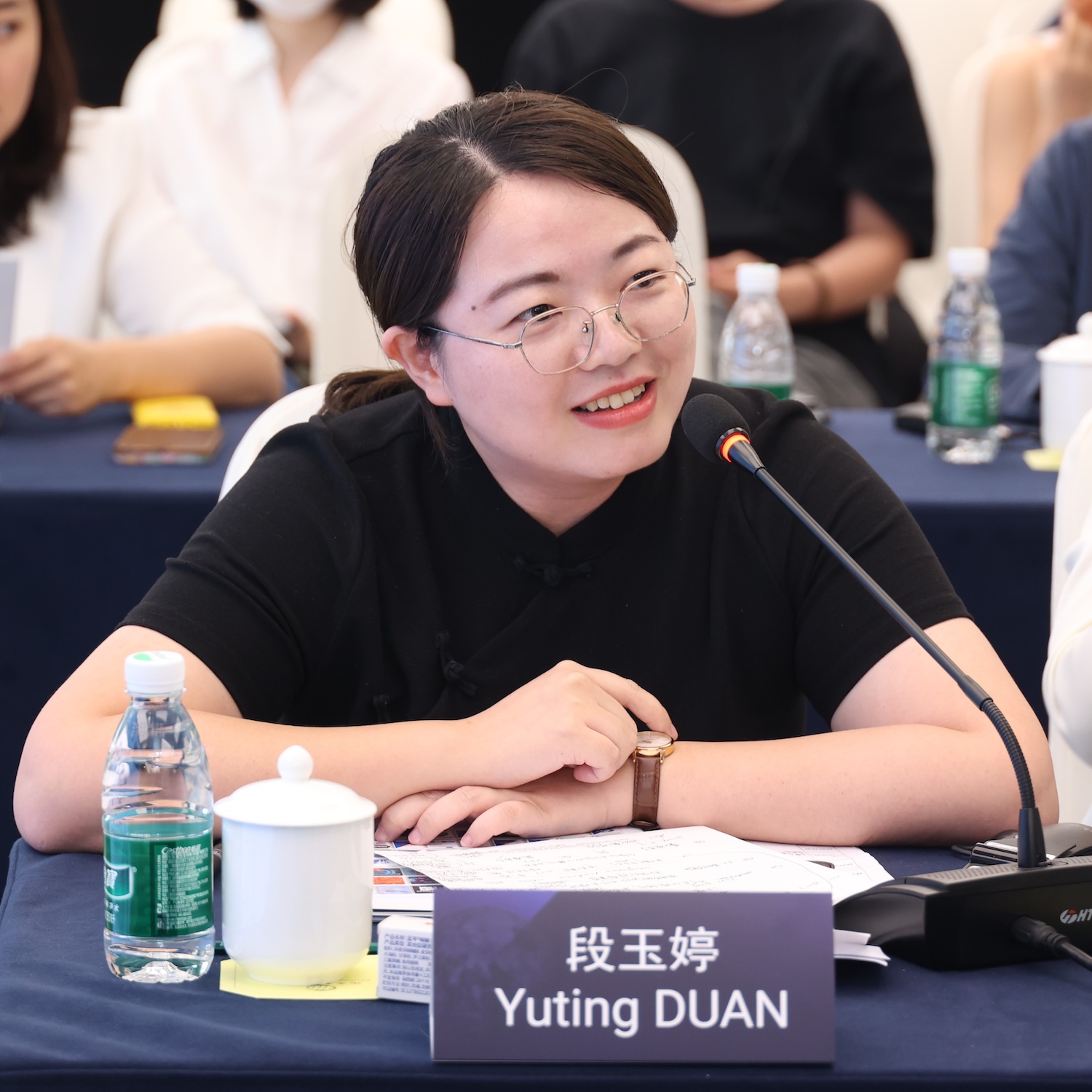
Yuting Duan
Associate Director of Evidence-Based Medicine Center, The Affiliated Traditional Chinese Medicine Hospital, Guangzhou Medical University
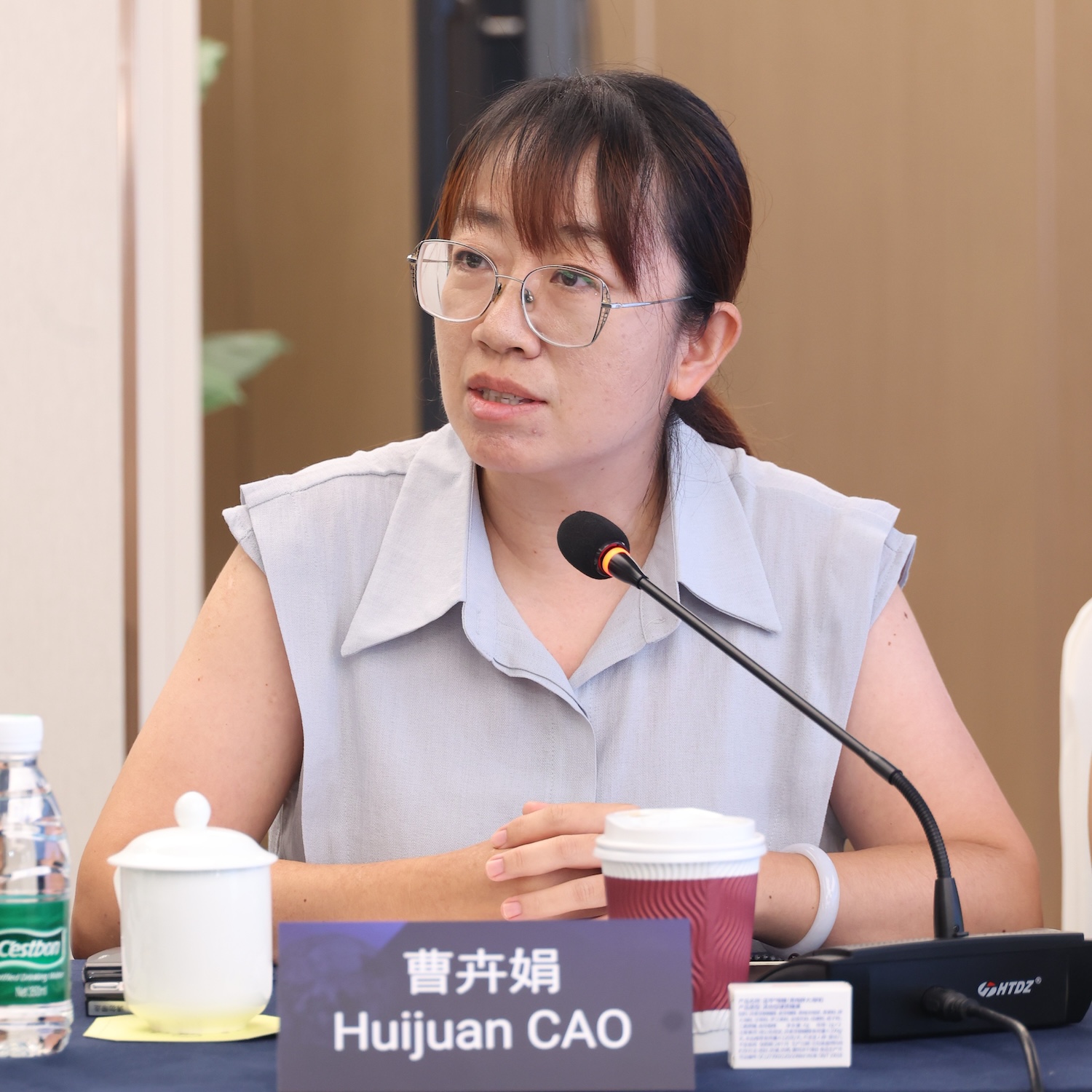
Huijuan Cao
Director of the Department of Clinical Epidemiology and Medical Statistics, School of Chinese Medicine, Beijing University of Chinese Medicine
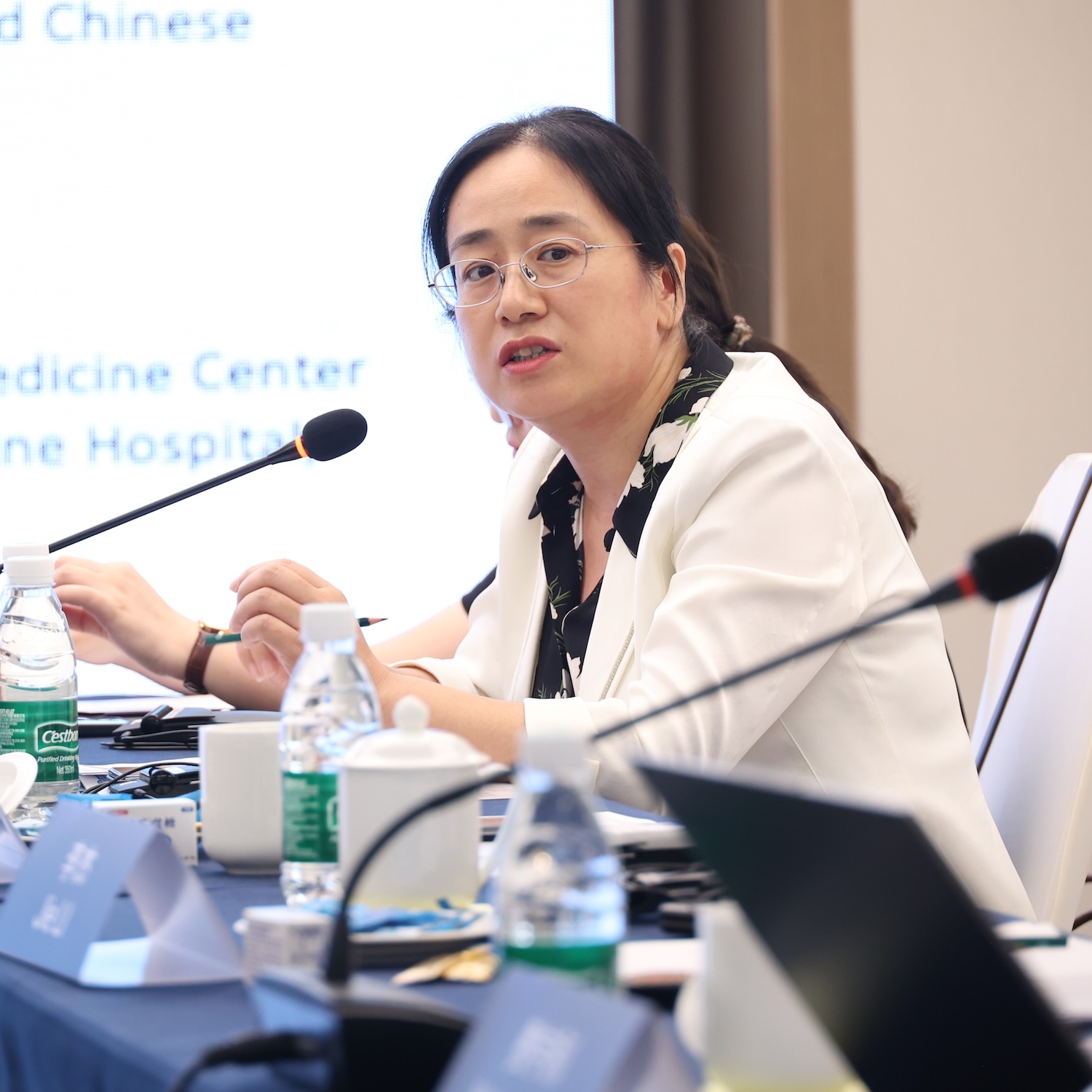
Shiyan Yan
Fellow, School of Acupuncture-Moxibustion and Tuina, Beijing University of Chinese Medicine
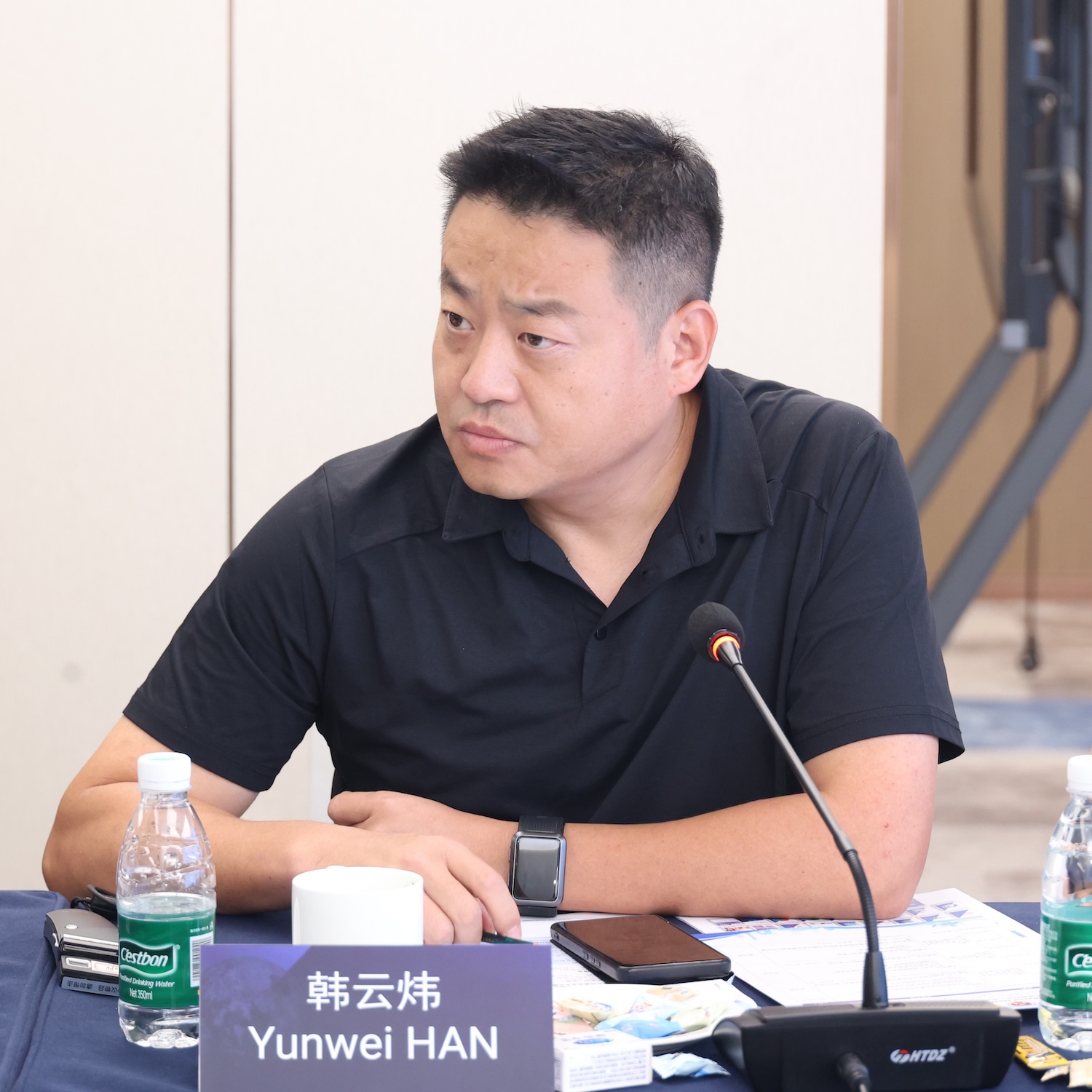
Yunwei Han
Vice President, The Affiliated Traditional Chinese Medicine Hospital, Southwest Medical University
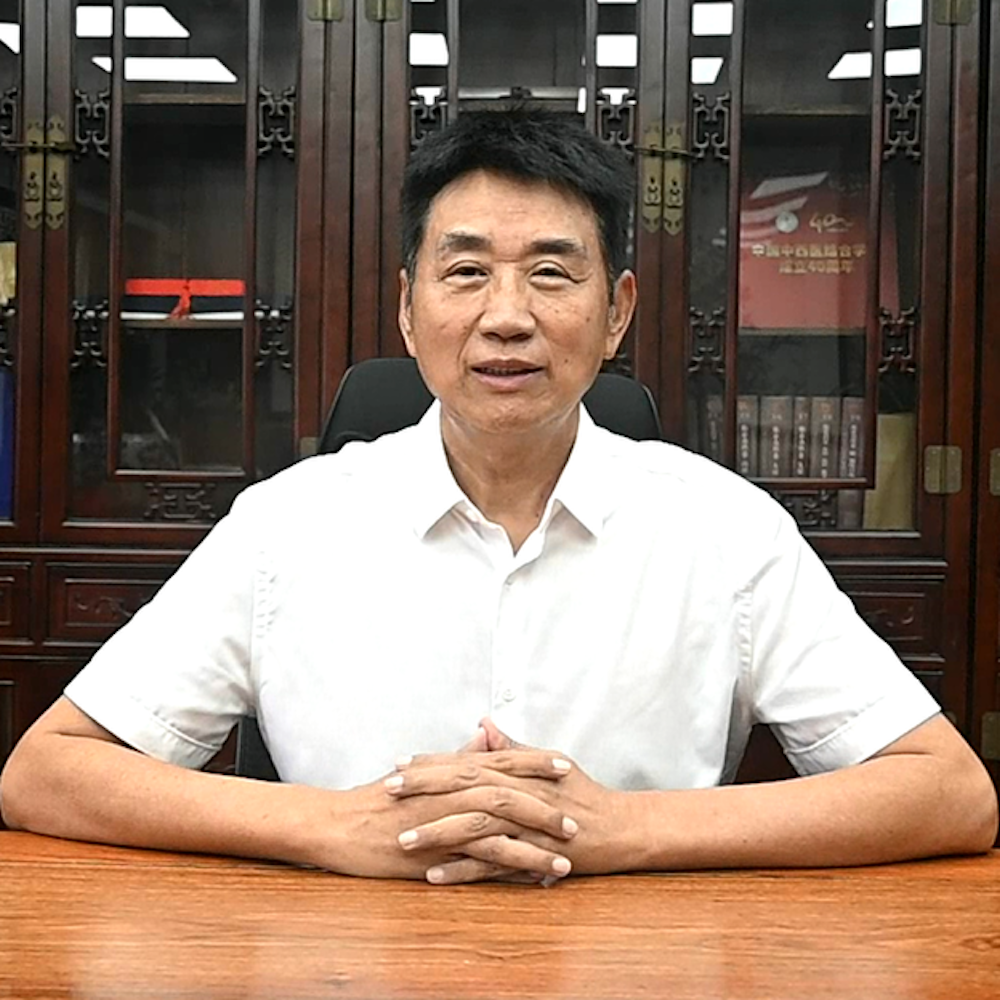
Jinzhou Tian
Academician, Chinese Academy of Engineering; Beijing University of Chinese Medicine
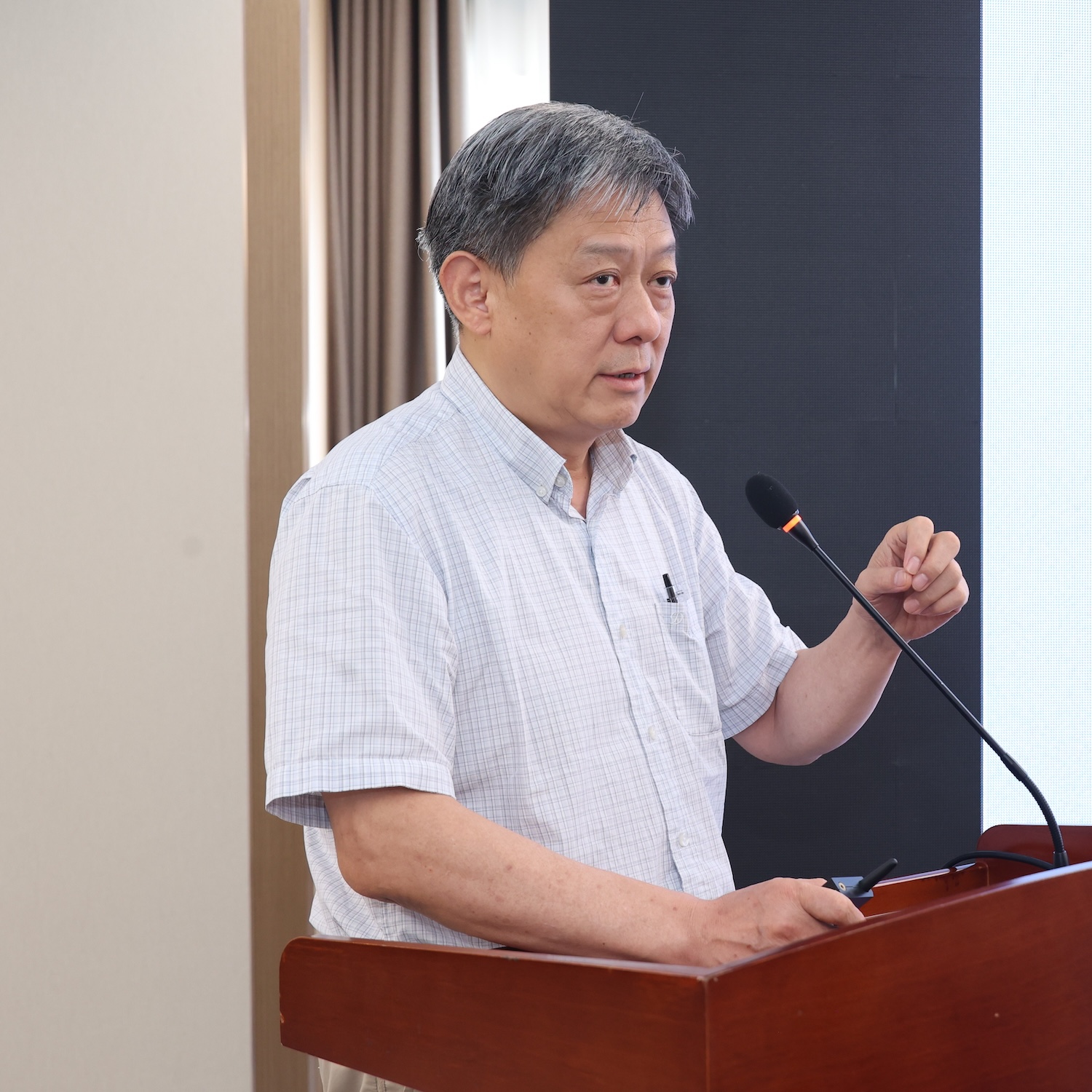
Qingquan Liu
President, Beijing Hospital of Traditional Chinese Medicine
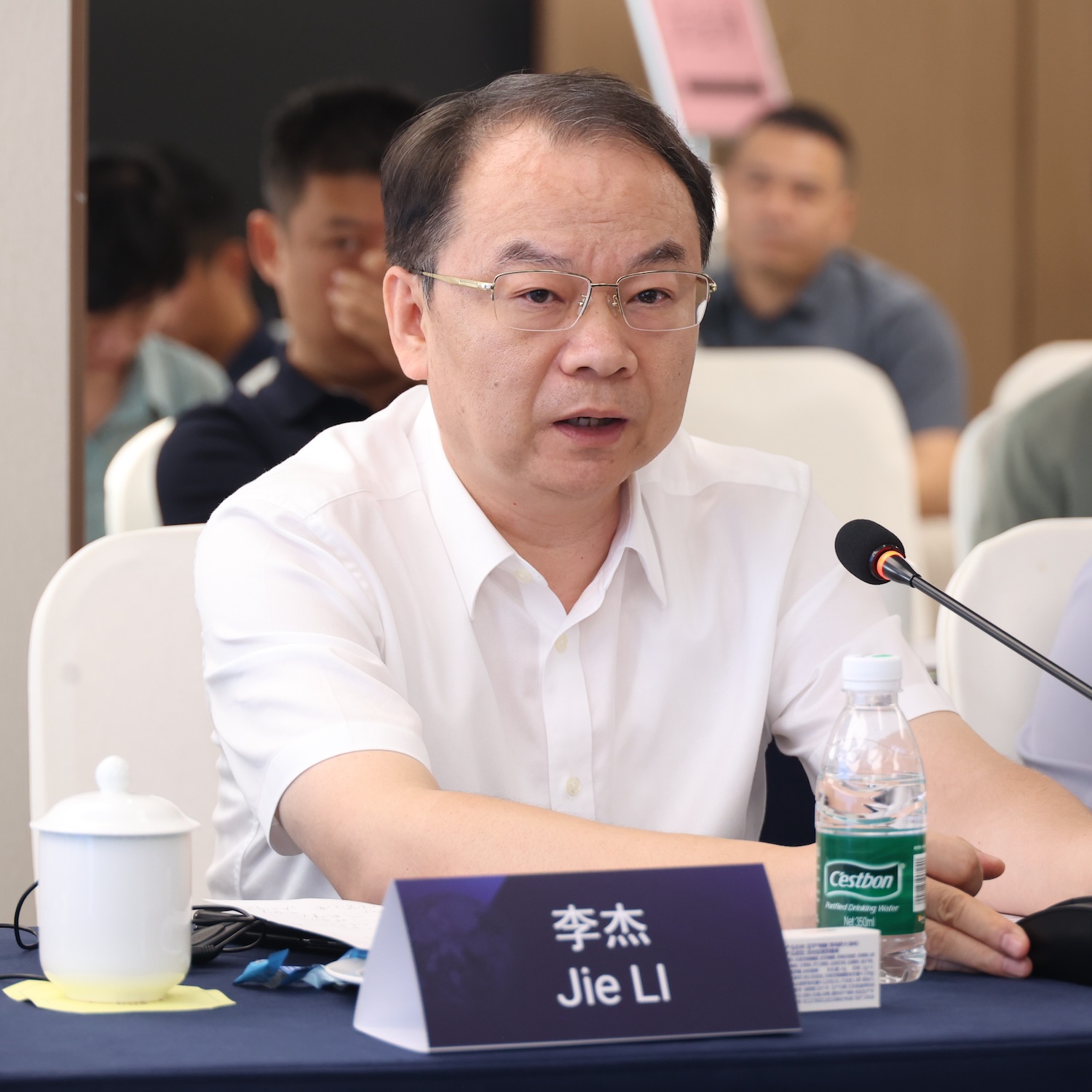
Jie Li
President, Guang’anmen Hospital, China Academy of Chinese Medical Sciences
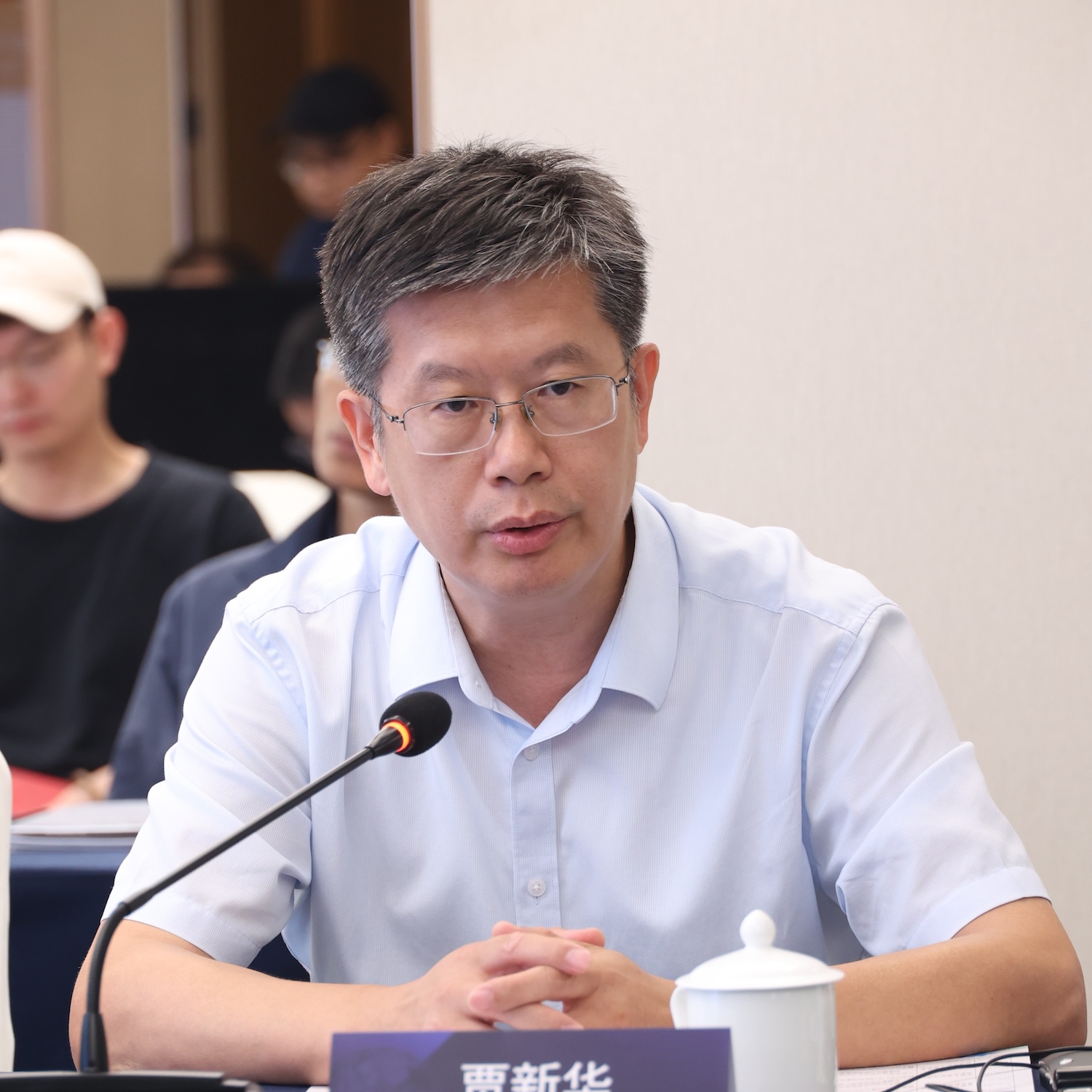
Xinhua Jia
Vice President, The Affiliated Hospital of Shandong University of Traditional Medicine
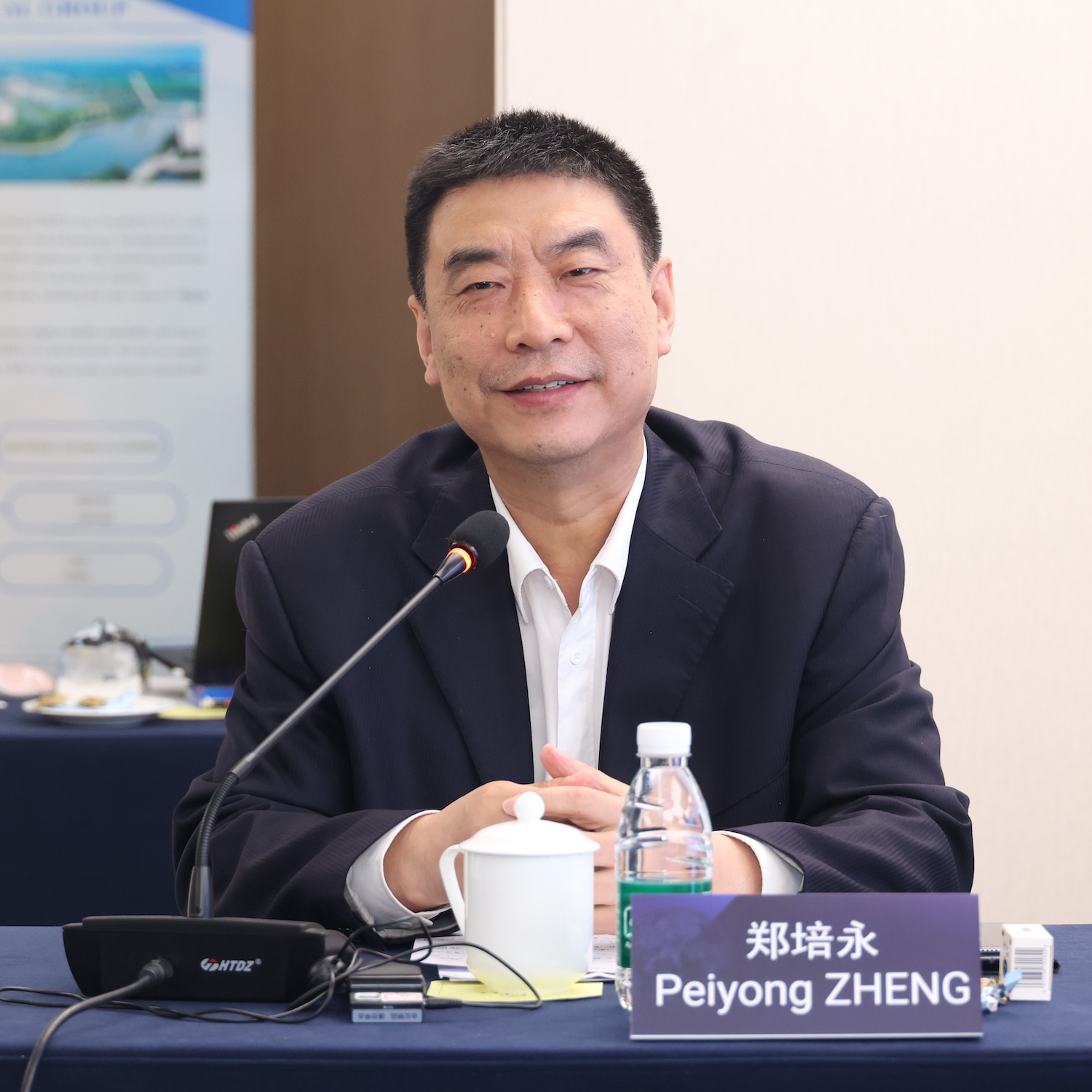
Peiyong Zheng
Vice President, Longhua Hospital, Shanghai University of Traditional Chinese Medicine
How our partnerships work
BMJ Group doesn’t just publish evidence. We create it, structure it, and connect the right voices to amplify its relevance. Our trusted brand, shaped by decades of publishing excellence, assures partners and participants of scientific integrity and editorial independence.
We help our partners unlock access to the right contributors, build credibility through association, and create tangible outcomes that strengthen health systems.
This ability to convene global expertise and translate dialogue into real-world action makes us a strategic partner for any organisation aiming to improve healthcare outcomes through trusted, expert-led collaboration.
